By Patrick Brown, The Patrick Brown Group
Over the past 24+ years selling real estate in Boulder, I’ve worked through every type of market cycle—booms, corrections, uncertainty, and everything in between. And through it all, one thing has remained remarkably consistent:
Boulder is one of the most stable housing markets in the country.
That doesn’t mean prices never fluctuate. They do. But compared to most markets, Boulder tends to hold value better, recover faster, and experience far less volatility over time.
Here’s why.
1. Limited Supply—And It’s Not Changing
Boulder is geographically and politically constrained in a way that very few markets are.
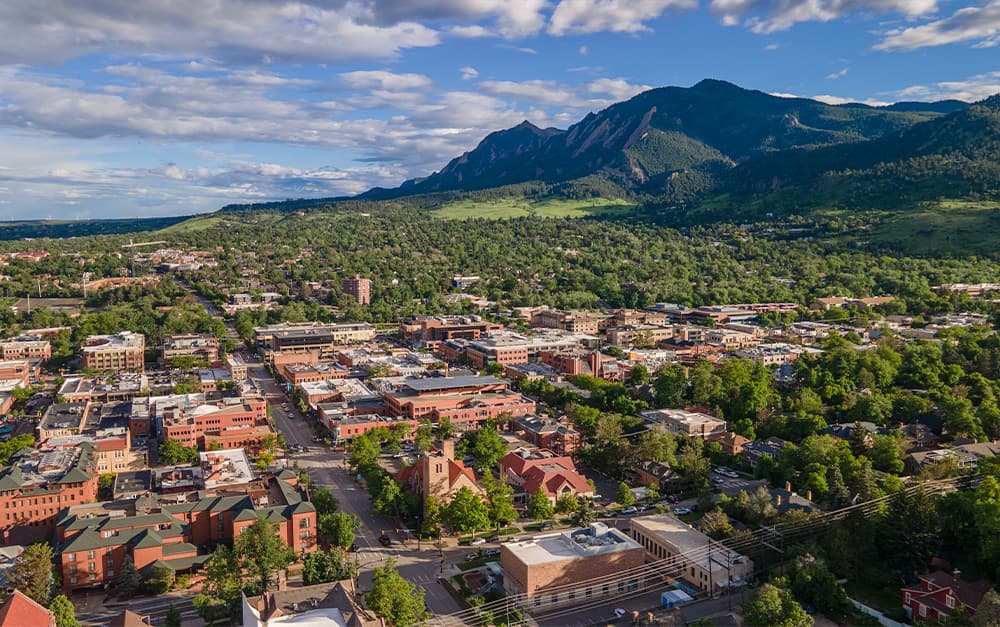
- Surrounded by open space and the Flatirons
- Strict growth controls and zoning regulations
- Very little remaining land for new development
Simply put, we can’t build our way out of demand. That structural limitation creates a long-term floor under home values that most cities don’t have.
2. A Highly Educated, High-Income Buyer Pool
Boulder consistently attracts a buyer profile that is:
- Highly educated
- Financially stable
- Often less sensitive to short-term interest rate swings
With major employers like tech companies, research institutions, and the University of Colorado, we have a steady pipeline of well-qualified buyers entering the market. That demand doesn’t disappear—it may pause, but it doesn’t vanish.
3. Lifestyle Demand That Transcends Cycles
People don’t just move to Boulder for jobs—they move here for a way of life.
- Immediate access to world-class outdoor recreation
- Strong sense of community
- Health, wellness, and sustainability culture
- Walkability and vibrant downtown
This lifestyle-driven demand is incredibly durable. Even during market slowdowns, buyers still want to be here.
4. A Historically Resilient Luxury Market
Boulder’s high-end market—especially above $3M and into the $10M+ range—has shown consistent resilience. Many of these buyers are:
- Less dependent on financing
- Relocating from higher-cost markets
- Making long-term lifestyle decisions rather than short-term investments
This creates a layer of stability at the top that helps anchor the broader market.
5. A Market That Corrects Differently
When Boulder does experience a slowdown, it typically shows up as:
- Longer days on market
- Increased negotiation
- More selective buyers
What we don’t typically see are dramatic price drops across the board. Instead, the market adjusts gradually, which protects long-term value.
Final thoughts
No market is immune to change—but Boulder’s fundamentals are exceptionally strong. Limited supply, consistent demand, and an unmatched lifestyle combine to create a market that is resilient by design.
After more than two decades working in this market, I’ve seen firsthand that Boulder real estate isn’t just about timing the market—it’s about being in the right market.